


|
PTSD Self-Test for Veterans 
U.S. Department of Veteran Affairs – Post-Traumatic Stress Disorder (PTSD) is a mental health condition that can develop after experiencing or witnessing a traumatic event. Veterans and service members may be at increased risk due to exposure to combat, training accidents, deployments, or military sexual trauma. While not everyone who experiences trauma develops PTSD, those who do may experience symptoms that affect daily life and relationships. Although PTSD can affect anyone, it is especially common among veterans because of the unique challenges associated with military service. Only a qualified healthcare professional can diagnose PTSD, but the National Center for PTSD offers a confidential self-screening tool that can help individuals determine whether their symptoms may be related to the condition. Support from family, friends, and the community plays an important role in both the prevention and treatment of PTSD. Family-focused therapies and interventions that strengthen communication and relationships can be especially beneficial. If you believe that you or someone you care about may be experiencing PTSD, consider speaking with a healthcare professional to discuss available treatment options and supportive resources. learn more |
||||||||||||||||||
|
||||||||||||||||||
|
||||||||||||||||||
|
How to Spot a Government Imposter 
Federal Elder Justice Coordinating Council – The Department of Veterans Affairs (VA) is partnering with the Elder Justice Coordinating Council to raise awareness about government and business imposter scams and help protect Veterans, their families, and loved ones. Government imposter scams continue to be a major threat. In 2025 alone, the Federal Trade Commission (FTC) received more than 375,000 reports involving scammers posing as government officials from agencies across the federal government, including VA. These scammers use fear and urgency to steal money, personal information, or access to financial accounts. Keep these important warning signs in mind to spot a government imposter scam:
If someone claiming to be from the government pressures you to act quickly, pause and speak with someone you trust before taking any action. VA is committed to protecting Veterans’ benefits and financial security. learn more |
||||||||||||||||||
|
||||||||||||||||||
|
VA Safety Plan Helps Veterans in Tough Moments 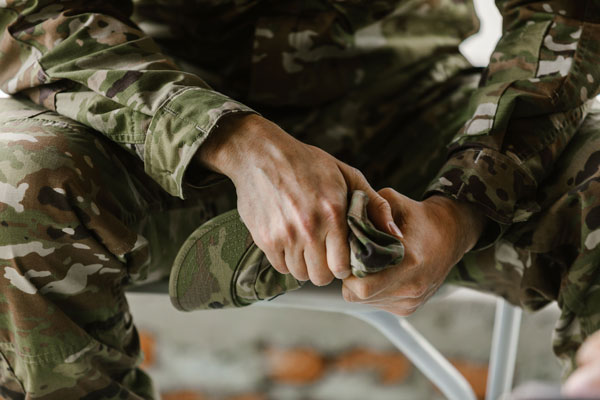
Veterans Crisis Line – You can make a meaningful difference in a Veteran’s life by supporting them in creating and maintaining a suicide prevention safety plan. For Veterans who have experienced suicidal thoughts, a suicide attempt, or other risk factors, a safety plan is a proven tool that outlines personal coping strategies, support contacts, and resources to use during a crisis. A safety plan is a personalized, practical guide that outlines coping strategies, support contacts, and resources a Veteran can turn to before or during a crisis. While the plan belongs to the Veteran, your encouragement to share their safety plan and any updates with trusted members of their support network and healthcare providers can help. The Veterans Crisis Line is also a vital resource for any Veteran who needs immediate support or simply someone to talk to. It is available 24 hours a day, 7 days a week, and Veterans do not need to be enrolled in VA health care to use this service. No matter the reason, help is always available. learn more |
||||||||||||||||||
|
||||||||||||||||||
|
Important Emergency 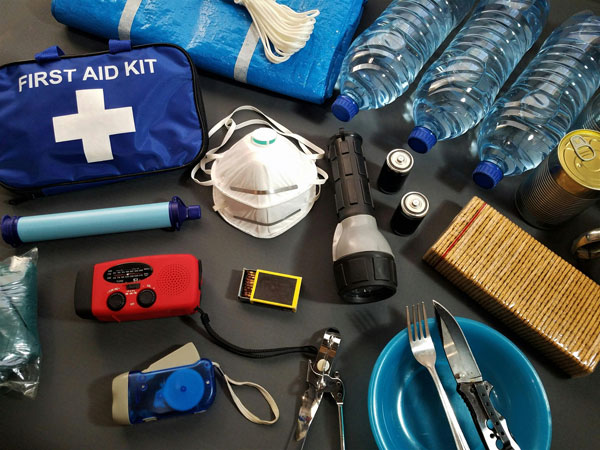
Emergencies can happen when we least expect them, so it’s important to have a plan in place ahead of time. Here’s how you can stay safe and make sure your oxygen and medical needs are covered:
Preparedness empowers you. Taking these steps in advance ensures continuity of your oxygen care and peace of mind during emergencies. If you ever have questions or need help setting up your emergency plan, call Mid-Cities Medical anytime using our toll-free numbers. We’re here. If you have any oxygen or ventilation preparation questions during these ongoing events, or need emergency assistance, please contact our offices:
|
||||||||||||||||||
|
||||||||||||||||||



|
|
|
3017 Red Hawk Drive (888) 450-6676 Toll Free (TX) |
Patient Care: 24/7/365 (833) 986-4267 Toll Free (AZ & CA) |
    
|
|
| www.mid-citiesmedical.com | |